From Simhachalam to 150+ Venues: The Journey of Chenchu Lakshmi Narasimha Kalyanam
A traditional story can remain confined to a particular region, or it can travel across cultural boundaries through the power of performance. For Kuchipudi artiste and choreographer Vikram Kumar B R, also known as Bathina Vikram Goud, the stage has become an important medium for carrying Indian cultural narratives to wider audiences.
His thematic ballet “Chenchu Lakshmi Narasimha Kalyanam” is one of the most notable examples of this approach. Developed around the history and traditions associated with Lord Narasimha of Simhachalam, the production combines Kuchipudi with traditional folk forms and has reportedly been presented at more than 150 venues across India.
The journey of the ballet reflects Vikram Kumar’s larger effort to make classical dance accessible to audiences while retaining its connection with India’s cultural heritage.
A Story Rooted in Simhachalam
Simhachalam has a strong cultural association with Lord Narasimha, and the story surrounding Chenchu Lakshmi provides rich material for a theatrical dance production.
Vikram Kumar chose to interpret this traditional subject through a thematic ballet rather than a conventional solo recital. The format enabled the story to be developed through multiple characters, movements, expressions, music and stage elements.
This transformation from a traditional narrative into a large-scale performance demonstrates the role of choreography in keeping cultural stories alive.
Instead of relying exclusively on written descriptions, audiences can experience the narrative through the visual language of dance and theatre.
Blending Classical and Folk Traditions
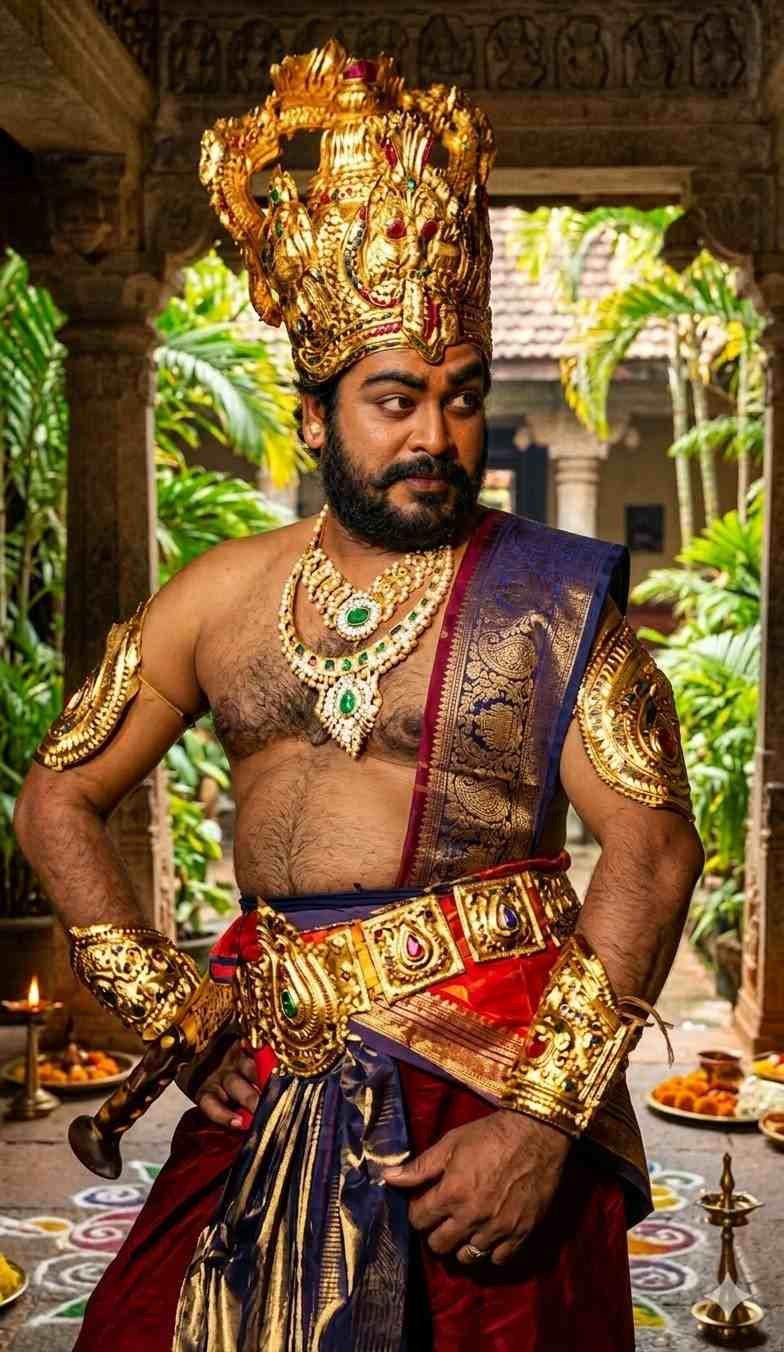
A distinctive feature of Chenchu Lakshmi Narasimha Kalyanam is its combination of Kuchipudi classical technique and traditional folk forms.
Kuchipudi brings its established vocabulary of movement, rhythm, expression and storytelling, while folk elements contribute a regional and popular dimension to the production.
The combination is particularly significant because India’s cultural heritage does not exist in isolated categories. Classical and folk traditions have developed alongside one another over generations, often sharing stories, musical ideas and cultural themes.
By placing these elements within one production, Vikram Kumar has created a performance format that can appeal to audiences with different levels of familiarity with classical dance.
The Importance of Thematic Ballets
Thematic ballets occupy an important space between traditional dance recitals and theatre.
A solo recital generally allows an artiste to demonstrate technique and repertoire, while a thematic ballet provides an opportunity to develop a complete narrative.
For a choreographer, this requires a different kind of planning. The story must be divided into scenes, characters must be established, music must support the narrative and dancers must coordinate their movements to communicate the intended meaning.
Vikram Kumar’s background in theatre has supported this dimension of his artistic work.
He completed Diplomas in Acting and Direction at Andhra University and spent approximately a decade contributing to the university’s Department of Theatre Arts. His experience in mythological, social and philosophical plays gave him exposure to stagecraft and dramatic storytelling.
Taking the Production Across India
The reported presentation of Chenchu Lakshmi Narasimha Kalyanam at more than 150 venues across India represents a significant outreach effort.
Taking a production to multiple locations requires more than artistic preparation. It involves coordination of performers, technical arrangements, rehearsals, travel and interaction with different audiences.
For cultural productions, touring also creates an opportunity to introduce regional traditions to people who may not otherwise encounter them.
The story of Simhachalam therefore becomes part of a broader national cultural conversation when it is presented to audiences in different parts of India.
A Choreographer’s Cultural Responsibility
Vikram Kumar’s work reflects the belief that choreographers have responsibilities extending beyond entertainment.
A production based on traditional material requires research and sensitivity toward its cultural context. The choreographer must understand the source material before translating it into stage language.
This principle is visible across Vikram Kumar’s wider portfolio, which includes productions such as Maha Visakha Vaibhavam, Sri Krishna Leelalu, Swachh Ganga – Swachh Bharat, Society for Future and Youth Never Sleeps.
The subjects differ, but the common element is the use of performance to communicate ideas and stories.
Connecting Younger Audiences with Heritage
One of the challenges facing classical arts is attracting younger generations while preserving the authenticity of traditional forms.
Large thematic productions can provide one possible solution because storytelling offers audiences an accessible entry point.
A young viewer may not initially understand the technical vocabulary of Kuchipudi, but a compelling story can create interest. Once that interest develops, the audience may become more curious about the dance form, its history, music and traditions.
This connection between performance and audience development is consistent with Vikram Kumar’s wider institutional activities through the Nataraj Music and Dance Academy, founded in 2000.
The academy has focused on training in Kuchipudi, Indian folk traditions, classical music and instrumental music, while also organising cultural events, workshops and festivals.
Preserving Culture Through Performance
Vikram Kumar has frequently emphasised that preservation involves more than protecting individual dance movements.
For him, the cultural ecosystem also includes literature, repertoire, choreography, music, teachers, performers, performance practices and documentation.
A production such as Chenchu Lakshmi Narasimha Kalyanam contributes to this process by bringing traditional material into active performance.
When cultural stories continue to be performed, interpreted and discussed, they remain part of public cultural life rather than becoming merely archival material.
From Regional Heritage to National Stage
The journey of Chenchu Lakshmi Narasimha Kalyanam illustrates how a story associated with a particular cultural landscape can be presented to audiences across the country.
Its reported journey across more than 150 venues has helped transform the ballet from a regional thematic production into a wider cultural outreach initiative.
At the same time, the production reflects Vikram Kumar’s artistic philosophy: classical dance can respect its traditional foundation while using innovative formats to communicate with contemporary audiences.
A Continuing Cultural Journey
For Vikram Kumar B R, Chenchu Lakshmi Narasimha Kalyanam represents more than a choreographic project. It brings together his interests in Kuchipudi, theatre, storytelling, folk traditions and cultural preservation.
The production demonstrates how a traditional narrative can be reimagined for the stage without losing its connection with India’s cultural memory.
From the traditions associated with Simhachalam to performances before audiences across India, the ballet represents an ongoing journey of cultural transmission.
Its significance lies not only in the number of venues where it has been presented, but also in the larger idea behind the production: when traditional stories continue to be performed, they remain alive, visible and accessible to future generations.